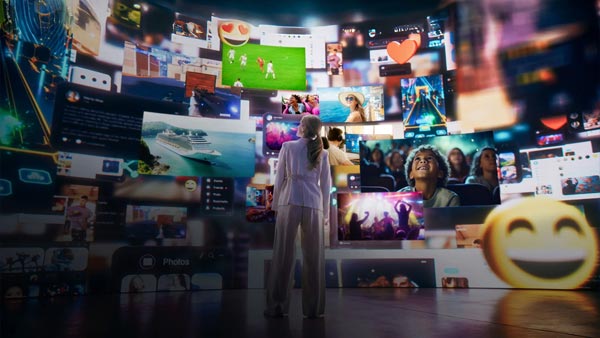

Online entertainment has never evolved as quickly as it does today. From streaming platforms and social media to online gaming, podcasts, live broadcasts, and digital communities, the way people consume entertainment is constantly changing.
What was popular a few years ago can quickly become outdated as new technologies, platforms, and audience preferences emerge. At the same time, consumers have more control than ever over what they watch, listen to, play, and share.
So, what is driving this rapid transformation?
The Rise of On-Demand Entertainment
One of the biggest changes in online entertainment is the shift from scheduled programming to on-demand content.
Traditional television and radio require audiences to follow a fixed schedule. Online platforms have changed that model by allowing people to choose what they want and when they want it.
Streaming services, video platforms, podcasts, and digital music libraries give users immediate access to enormous amounts of content. Instead of waiting for a particular show or program, viewers can watch an entire season, listen to a playlist, or discover new creators whenever they want.
This convenience has changed audience expectations. People increasingly want entertainment that fits their schedules rather than entertainment that dictates their schedules.
Short-Form Content Is Growing
Another major trend is the popularity of short-form video.
Platforms built around short videos have demonstrated that entertainment does not always need to be long to be engaging. A video lasting less than a minute can attract millions of views when it is entertaining, informative, funny, or relevant.
Short-form content has also changed how creators produce entertainment. Instead of spending weeks producing a single large project, creators can publish content regularly and respond quickly to trends.
This creates a much faster entertainment cycle. Trends can appear, become popular, and disappear within days.
Artificial Intelligence Is Changing Content Creation
Artificial intelligence is becoming another important force in online entertainment.
AI-powered tools can help creators generate ideas, edit videos, create music, produce visual effects, write scripts, and personalize content. These tools can reduce the time and resources required to produce certain types of digital entertainment.
AI is also influencing how audiences discover content. Recommendation systems can analyze viewing and listening habits to suggest videos, songs, games, and other entertainment that users may enjoy.
As AI technology develops, the relationship between creators, platforms, and audiences is likely to become even more interactive.
Personalization Is Becoming the Standard
Online entertainment is increasingly personalized.
Instead of presenting every user with exactly the same content, digital platforms can recommend entertainment based on individual interests and behavior.
For example, two people using the same platform may see completely different recommendations because their viewing histories and preferences are different.
This personalization makes it easier for users to discover content that matches their interests. At the same time, it creates new opportunities for smaller creators and specialized communities to reach audiences that may never have found them through traditional media.
Gaming Is Becoming a Social Experience
Online gaming has also evolved beyond simply playing games.
Modern games can function as social platforms where players communicate, form communities, attend virtual events, and interact with creators. Multiplayer experiences have created new forms of digital entertainment that combine gaming, social interaction, and live content.
Live-streaming has strengthened this trend. Audiences can watch people play games in real time, communicate through chat, and become part of online communities.
As a result, gaming is no longer just about the game itself. The surrounding social experience has become an important part of its appeal.
Live Entertainment Is Moving Online
Live streaming has transformed how audiences interact with entertainment.
Concerts, gaming sessions, interviews, sporting events, educational programs, and creator broadcasts can all reach global audiences through the internet.
Unlike traditional recorded content, live entertainment creates a sense of immediacy. Viewers can react in real time, participate in discussions, and interact directly with hosts or creators.
This interaction can make audiences feel more connected to the people and communities behind the content.
Creators Have More Influence
The rise of independent creators is another major change.
In the past, large media companies controlled much of the entertainment production and distribution process. Today, individual creators can build audiences through social media, video platforms, podcasts, newsletters, and other digital channels.
A creator does not necessarily need a traditional studio, television network, or publishing company to reach millions of people.
This has made online entertainment more diverse. Audiences can discover creators based on highly specific interests, from cooking and technology to comedy, travel, education, and gaming.
Audiences Are Becoming Participants
Perhaps the most important change is that online audiences are no longer simply consumers.
People can comment, remix, react to, share, review, and create their own versions of entertainment. A popular video can inspire thousands of responses, memes, remixes, and discussions.
This creates a cycle in which audiences contribute to the popularity and evolution of entertainment itself.
The boundary between creator and consumer is becoming increasingly blurred.
Mobile Devices Are Driving Accessibility
Smartphones have made online entertainment available almost everywhere.
People can watch videos while commuting, listen to podcasts while exercising, play games during a break, or follow live broadcasts from virtually any location with an internet connection.
Because smartphones are constantly available, entertainment has become more integrated into everyday life.
This accessibility also encourages creators and platforms to design content specifically for mobile audiences, contributing to the popularity of short videos, vertical formats, and quick interactive experiences.
Why Change Is Happening So Quickly
Several factors are working together to accelerate the evolution of online entertainment.
Technology continues to improve, internet access is becoming more widespread, and audiences are developing new habits. At the same time, competition between digital platforms encourages companies to experiment with new formats and features.
Creators are also responding quickly to audience feedback. A new trend can be identified almost immediately through views, comments, shares, and other forms of engagement.
As a result, online entertainment can adapt much faster than traditional media.
What Does the Future Look Like?
The future of online entertainment will likely involve even more personalization, interaction, and technological innovation.
Artificial intelligence, virtual and augmented reality, interactive storytelling, immersive gaming, and new social platforms could create entertainment experiences that feel increasingly dynamic.
However, technology will only be part of the story. Audiences will continue to determine which formats succeed by deciding where they spend their time and attention.
The most successful entertainment platforms and creators will likely be those that can adapt quickly while still offering something meaningful, enjoyable, or memorable.
Final Thoughts
Online entertainment is changing faster than ever because technology has transformed both how content is created and how audiences experience it.
On-demand streaming, short-form videos, artificial intelligence, live broadcasts, gaming communities, and creator-driven platforms are all contributing to a rapidly changing digital landscape.
What makes today’s entertainment environment particularly unique is the level of choice and participation available to audiences. People are not simply watching or listening anymore—they are discovering, interacting, sharing, and creating.
As technology continues to evolve, online entertainment will likely become even more personalized, interactive, and immersive. The biggest challenge for creators and platforms will be keeping up with audiences whose expectations are changing just as quickly.