There was a time when the boundaries were clear: movie stars lived on silver screens, news happened in printed papers, and real life took place right in front of us. Today, those lines haven’t just softened—they have completely dissolved.
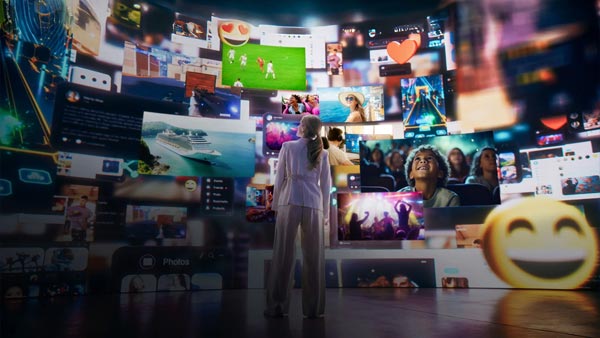
Every swipe on TikTok, Instagram, or YouTube delivers a seamless blend of hyper-curated aesthetics, scripted authenticity, real-world drama, and algorithmic performance. What we consume as “real life” is increasingly designed for maximum engagement, while entertainment disguises itself as everyday human connection.
1. The Illusion of Authentic Access
The creator economy thrives on the promise of intimacy. Influencers film themselves waking up, brewing coffee, crying over bad days, or running errands. It feels raw and unfiltered, giving viewers a front-row seat to “real” life.
Yet, this authenticity is often engineered. Lighting setups, multiple takes, and calculated vulnerability turn daily existence into a scripted reality show. When emotional moments double as monetizable content, personal life becomes a product, making it nearly impossible for audiences to tell where genuine human experience ends and performance art begins.
2. Gamified Everyday Life
Social media algorithms reward high-stakes drama and visual perfection. As a result, users—both influencers and everyday citizens—increasingly live their real lives with an invisible camera crew in mind.
- Micro-Trends & Aesthetics: From “clean girl” routines to hyper-specific subculture lifestyles, people structure their personal lives to fit performative online archetypes.
- The “Main Character” Syndrome: Daily interactions are framed as plotlines, turning routine moments into cinematic events meant to be validated by likes and comments.
- Algorithmic Behavior: Real-world choices—where to travel, what to wear, or how to speak—are increasingly influenced by what performs best on screen.
3. AI and Synthetic Reality
The line between reality and entertainment is further distorted by artificial intelligence. Generative AI filters, deepfakes, and automated media streams mean that the images on our screens may not represent real humans at all. When AI-generated visuals blend into feeds alongside real news and personal vlogs, our visual landscape becomes entirely surreal.
4. Entertainment as News (and Vice Versa)
A growing majority of younger audiences consume news through social media personalities rather than traditional outlets. Serious global events, politics, and personal tragedies are frequently packaged as bite-sized, entertaining clips tailored to capture shrinking attention spans. When real-world news must compete for attention against dance trends and comedy skits, critical events end up being consumed purely as passive entertainment.
Navigating the Digital Mirror
This shifting boundary isn’t necessarily malevolent, but it demands higher digital literacy. As algorithms continuously serve personalized, highly engaging content, staying grounded requires asking a simple question: Is this content reflecting reality, or is it shaping how I view it?
Entertainment is no longer something we watch on a stage—it is the lens through which we experience the modern world.