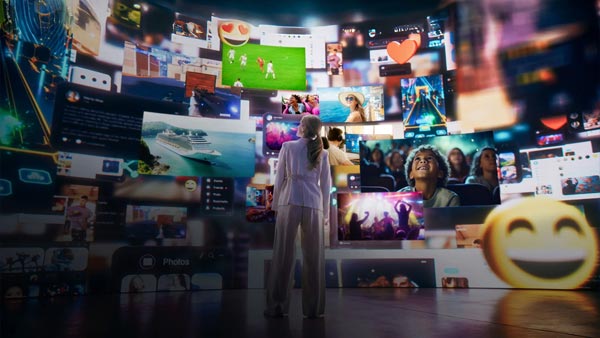

The entertainment industry has changed dramatically in the digital age. Audiences today have access to millions of movies, television shows, songs, games, videos, podcasts, and other forms of content.
While having more choices can be exciting, it can also make finding something enjoyable more difficult. This is where personalized content is becoming increasingly important.
Streaming platforms, social media networks, gaming services, and digital entertainment companies are using technology to understand audience preferences and recommend experiences that match individual interests.
Personalization is not simply changing what people watch or listen to. It is changing how entertainment is discovered, consumed, and experienced.
What Is Personalized Entertainment?
Personalized entertainment refers to content and experiences that are adapted to an individual’s interests, behavior, and preferences.
For example, a streaming platform may recommend movies based on a person’s viewing history. A music service can create playlists based on listening habits, while a video platform can suggest clips related to topics a user frequently watches.
Personalization can involve:
- Content recommendations
- Customized playlists
- Personalized homepages
- Tailored notifications
- Individual viewing suggestions
- Customized gaming experiences
- AI-generated recommendations
The goal is to make digital entertainment feel more relevant to each individual user.
The Problem of Too Much Content
One of the biggest reasons personalization is becoming important is the enormous amount of content available online.
A user can potentially choose from thousands of movies, millions of songs, countless videos, and an enormous number of games.
Having so many options can create choice overload.
Instead of making entertainment easier, an endless library can make it harder to decide what to watch or listen to.
Personalized recommendations help reduce this problem by narrowing down the options.
Streaming Platforms Are Leading the Change
Streaming services have become some of the strongest examples of personalized entertainment.
Instead of presenting every user with exactly the same content, platforms can recommend shows and movies based on previous viewing behavior.
A person who regularly watches documentaries may receive more documentary recommendations, while someone who prefers comedy may see more comedy-related content.
This creates a more individual experience and helps users discover content they might otherwise overlook.
Music Is Becoming More Personalized
Music streaming has also embraced personalization.
Modern platforms can analyze listening habits to create customized playlists and recommendations.
Users may receive music suggestions based on their favorite artists, genres, listening history, or even the time of day.
This has changed music discovery. People no longer need to search manually for every new song or artist.
Instead, digital platforms can continuously introduce them to new content.
Social Media Uses Personalization Every Day
Social media may be one of the most visible examples of personalized entertainment.
Users typically see feeds influenced by their interactions, interests, viewing habits, and engagement.
If someone frequently watches sports videos, their feed may gradually contain more sports-related content. Someone who interacts with cooking videos may receive more recipes and food-related posts.
This creates an entertainment experience that is constantly changing based on user behavior.
Artificial Intelligence Is Accelerating Personalization
Artificial intelligence is becoming an important part of personalized entertainment.
AI systems can process enormous amounts of information and identify patterns in user behavior.
Instead of relying only on simple categories such as genre, recommendation systems can consider many different signals to predict what a user might enjoy.
As AI becomes more sophisticated, personalized recommendations could become increasingly accurate and responsive.
Interactive Entertainment Can Become More Personal
Personalization is not limited to recommending content.
Interactive entertainment can also adapt to individual users.
Video games, for example, can adjust difficulty levels, recommend activities, or provide customized experiences based on player behavior.
Interactive stories could potentially change according to user choices, creating different experiences for different audiences.
This suggests that future entertainment may become personalized not only in what people consume, but also in how they experience it.
Mobile Devices Make Personalization Easier
Smartphones have played an important role in the growth of personalized entertainment.
People carry their devices throughout the day, allowing entertainment platforms to provide recommendations and notifications wherever users are.
A smartphone can become a personalized entertainment hub containing music, videos, games, podcasts, social media, and streaming services.
Because the device is personal, the entertainment experience can also become highly individualized.
Personalization Helps Content Discovery
One of the biggest advantages of personalized recommendations is content discovery.
Digital platforms contain enormous libraries, and users may not know where to begin.
Recommendation systems can introduce audiences to new creators, genres, artists, games, and shows.
This can benefit both audiences and content creators.
Users discover content that matches their interests, while creators have more opportunities to reach audiences who are likely to appreciate their work.
Creators Can Understand Their Audiences Better
Personalization also affects the relationship between creators and audiences.
Digital platforms can provide creators with information about audience engagement, viewing patterns, and content performance.
This allows creators to understand which topics and formats resonate with their communities.
As a result, content can become more responsive to audience interests.
The relationship becomes more dynamic than the traditional model in which creators produce content without immediate feedback.
The Importance of User Data
Personalization depends heavily on data.
Platforms may analyze information such as viewing history, searches, interactions, listening habits, and content preferences.
This creates important questions about privacy and data protection.
Users increasingly want to know what information platforms collect, how it is used, and whether it is shared with other organizations.
For personalization to remain sustainable, companies need to combine useful recommendations with responsible data practices.
The Risk of Algorithmic Bubbles
Personalization also has potential disadvantages.
If algorithms constantly recommend content similar to what users have already consumed, people may see a narrower range of ideas and experiences.
This can create what is sometimes described as an algorithmic bubble.
For entertainment platforms, the challenge is finding a balance between relevance and discovery.
Users should receive content that matches their interests while still having opportunities to discover something unexpected.
Personalization and Advertising
Personalized entertainment is also closely connected to digital advertising.
Advertising systems can use information about user interests to deliver more relevant promotional content.
For businesses, this can make advertising more targeted. For audiences, relevant recommendations may be more useful than completely unrelated advertisements.
However, transparency and privacy remain important considerations when personal data is used for advertising purposes.
The Future of AI-Generated Entertainment
The next stage of personalization could involve AI-generated content.
In the future, artificial intelligence may help create customized stories, music, game environments, or interactive experiences based on individual preferences.
Instead of selecting from a fixed library, users could potentially receive entertainment that is generated or adapted specifically for them.
This technology is still developing, but it demonstrates how far personalization could eventually go.
Personalization Does Not Mean Isolation
Although personalized entertainment is designed for individual users, it does not necessarily mean entertainment will become less social.
People can still watch recommended shows together, share personalized playlists, discuss games, and participate in online communities.
The future may combine individual recommendations with shared experiences.
A platform could recommend content specifically for one person while also helping them discover communities of people with similar interests.
The Challenge of Finding the Right Balance
The future of personalized entertainment will depend on balance.
Platforms need to provide useful recommendations without becoming overly restrictive. They need to use data responsibly while protecting user privacy.
They also need to encourage discovery rather than simply showing users more of what they already know.
The best personalized experiences will likely combine relevance, variety, privacy, and user control.
Final Thoughts
Personalized content is becoming the future of entertainment because audiences have more choices than ever before.
Streaming platforms, social media, music services, gaming companies, and emerging AI technologies are making entertainment increasingly tailored to individual preferences.
The biggest advantage of personalization is convenience. Instead of searching through endless libraries, users can discover content that is more likely to match their interests.
However, personalization also brings responsibilities. Privacy, transparency, algorithmic influence, and content diversity will become increasingly important as technology becomes more sophisticated.
Ultimately, the future of entertainment may not be about creating one experience for millions of people. It may be about creating millions of unique experiences for individual audiences.
As artificial intelligence and digital platforms continue to evolve, personalized entertainment could become more intelligent, interactive, and immersive—giving people greater control over what they watch, hear, play, and discover.