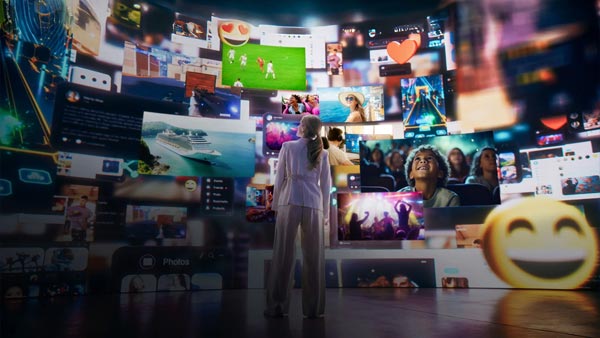

Across the globe, daily screen time has reached unprecedented heights. From streaming ultra-HD series and endless scrolling on short-form video apps to immersive multiplayer gaming, digital entertainment is no longer just a pastime—it has become the primary infrastructure of modern human leisure.
While it is easy to point toward smartphone ubiquity as the sole driver, the underlying reality is far more complex. A convergence of behavioral psychology, rapid technological deployment, and fundamental cultural changes has transformed how, why, and for how long we consume digital media.
1. Hyper-Personalization and Algorithmic Hooking
The fundamental engine driving increased screen time is artificial intelligence. Legacy media—such as cable television or scheduled radio—relied on broad-demographic broadcasting. Modern digital platforms operate on hyper-personalized narrowcasting.
- Predictive Engagement Loops: Platforms like TikTok, YouTube, and Netflix utilize machine-learning models that evaluate thousands of data points per second. These algorithms analyze watch duration, pause frequency, replay rates, and interaction history to serve content specifically tailored to an individual’s immediate mood.
- Frictionless Consumption: Innovations like auto-play, infinite scroll, and algorithmic auto-recommendations have effectively removed natural “stopping cues.” When one video seamlessly transitions into the next, the cognitive effort required to stop watching is vastly higher than the effort required to continue.
2. The Era of Portable, On-Demand Accessibility
The physical constraints of traditional entertainment have vanished. High-performance smartphones, expansive 5G network coverage, and cloud-based ecosystem syncs mean that high-fidelity entertainment is available instantly, everywhere.
Micro-moments throughout the day—waiting in a line, riding public transit, or sitting through commercial breaks—that were previously filled with idle thought or casual observation are now routinely filled with digital consumption. Digital entertainment has successfully monetized idle time, turning every spare minute into active media engagement.
3. The Rise of Interactive and Participatory Media
Passive consumption (sitting back and watching a broadcast) is increasingly giving way to active, participatory experiences. Modern digital entertainment invites the user to be part of the spectacle.
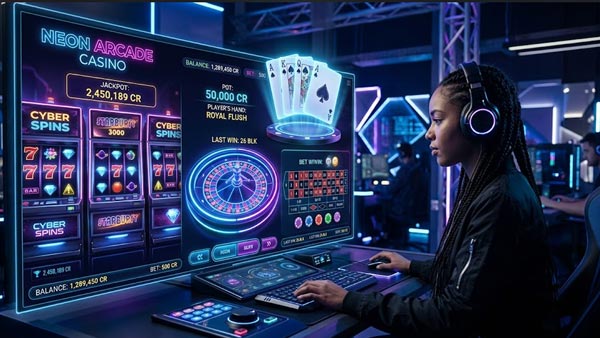
- Gamification: Gaming platforms, interactive live streams (e.g., Twitch), and social storytelling allow users to influence outcomes, customize avatars, or interact directly with creators in real time.
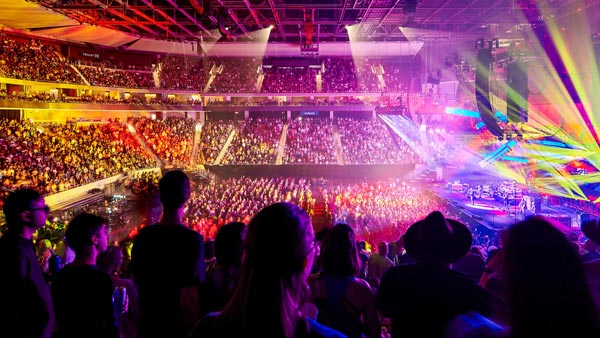
- Community and Social Validation: Digital entertainment doubles as a social nexus. Comment sections, fan subreddits, and real-time reaction videos transform solo viewing into a collective, shared event. Users return not just for the content itself, but for the sense of belonging within the surrounding digital community.
4. Psychological Comfort and Escapism
The modern world presents high cognitive loads—demanding work schedules, economic pressures, and constant global news cycles. Digital entertainment offers accessible, low-friction cognitive relief.
When engaging with interactive games or absorbing narratives, the brain experiences dopamine hits associated with novelty, accomplishment, and reward. For many, immersive media serves as an effective “digital sanctuary”—a controlled environment where rules are clear, rewards are immediate, and the stresses of real-world complexity can be temporarily paused.
5. The Blurring Lines Between Media, Socializing, and Commerce
Digital entertainment is no longer isolated from other aspects of daily life. Modern platforms have morphed into all-in-one ecosystems:
A user might watch a live stream for entertainment, chat with friends in the comments, and purchase a product featured in the video without ever leaving the application. Because digital entertainment platforms now handle social connections, shopping, and learning simultaneously, time spent within these digital environments naturally multiplies.
Core Drivers of Extended Digital Engagement:
- Algorithmic Curation: AI models providing endless, personalized content streams.
- Zero-Friction Access: High-speed mobile networks eliminating wait times and buffering.
- Social Integration: Content serving as the foundation for modern community and identity.
- Interactive Value: Shifting from passive watching to active participation and gaming.
As virtual environments become more immersive, personalized, and socially interconnected, digital entertainment will continue to anchor itself as the central medium of human interaction. The challenge moving forward is not limiting access to these digital worlds, but learning to navigate them with intentionality.