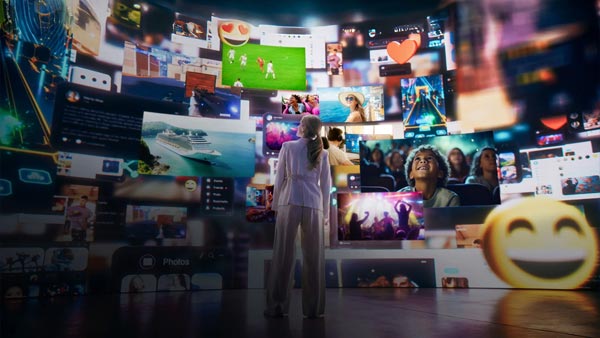

The way people spend their free time has changed dramatically over the past decade. Television, movies, music, and video games were once separate forms of entertainment, each with its own audience and habits. Today, however, streaming platforms and gaming services are competing for the same limited resource: our attention.
With millions of hours of content available at any moment, consumers have more entertainment choices than ever before. Streaming services offer endless movies, television shows, documentaries, and live broadcasts, while games provide interactive worlds that can keep players engaged for hours.
As these industries continue to evolve, the competition for audience attention is becoming increasingly intense.
The Attention Economy
Attention has become one of the most valuable resources in the digital world.
People have a limited amount of time each day, and entertainment companies compete to capture as much of that time as possible. Streaming platforms want viewers to watch another episode, while gaming companies want players to complete another level, match, or mission.
This creates what is often called the attention economy, where businesses compete not only for customers but also for the amount of time those customers spend interacting with their products.
The longer users remain engaged, the more opportunities platforms have to generate revenue through subscriptions, advertising, purchases, or other business models.
Why Streaming Is So Popular
Streaming has transformed traditional entertainment by making content available whenever people want it.
Instead of waiting for a television program to air, viewers can choose from enormous libraries of movies and shows. Many platforms also use recommendation systems to suggest content based on viewing habits.
This convenience has made streaming a natural part of everyday entertainment.
Another advantage is flexibility. People can watch a short episode during a break or spend an entire evening watching a series. Streaming services can therefore accommodate different schedules and preferences.
Why Gaming Is So Engaging
Gaming has a major advantage over traditional video entertainment: interactivity.
When watching a movie or series, the audience primarily observes the story. Games require players to make decisions, solve problems, develop skills, and influence what happens.
This active participation can create a deeper sense of involvement.
Modern games also frequently include progression systems, challenges, achievements, multiplayer features, and regularly updated content. These elements can encourage players to return repeatedly.
Gaming Is Becoming More Like Streaming
The relationship between gaming and streaming is becoming increasingly complicated because the two industries are beginning to overlap.
Live game streaming allows audiences to watch other people play games while interacting through chats and online communities.
For some viewers, watching a skilled or entertaining player can be almost as enjoyable as playing the game themselves.
Platforms that combine video content, live broadcasts, and gaming communities have created new forms of entertainment that sit between traditional streaming and interactive gaming.
Streaming Is Becoming More Interactive
Streaming platforms are also experimenting with interactive entertainment.
Some digital productions have introduced choices that allow viewers to influence aspects of a story. Other services have incorporated games, quizzes, live events, and interactive features into their platforms.
These developments suggest that the traditional distinction between watching and playing may become less important over time.
Entertainment could increasingly become a spectrum ranging from passive viewing to full participation.
Short-Form Content Adds More Competition
Streaming and gaming are not the only forms of entertainment competing for attention.
Short-form video platforms have created another major source of competition. Users can spend minutes or hours scrolling through an endless stream of short videos, making it harder for longer forms of entertainment to capture uninterrupted attention.
This has influenced both streaming and gaming companies.
Streaming platforms increasingly promote shorter content and personalized recommendations, while game developers often design experiences that can deliver meaningful rewards within relatively short sessions.
Mobile Devices Have Changed Everything
Smartphones have made both streaming and gaming more accessible.
People can watch shows or play games almost anywhere, whether they are at home, traveling, or waiting for an appointment.
Mobile gaming has become particularly important because smartphones can support sophisticated games while remaining easy to access.
Streaming services have similarly optimized their platforms for mobile screens, allowing users to continue watching content even when they are away from traditional televisions or computers.
Personalization Keeps Users Engaged
Both streaming platforms and gaming services rely heavily on personalization.
Streaming services can recommend movies and shows based on previous viewing behavior. Games can customize challenges, rewards, notifications, and content based on player activity.
Personalization reduces the effort required to find something interesting.
Instead of asking, “What should I watch?” or “What should I play?”, users are increasingly presented with recommendations designed to keep them engaged.
The Role of Social Interaction
Social interaction is another major reason gaming can compete successfully with streaming.
Multiplayer games allow people to communicate, cooperate, compete, and build friendships. Online communities can become an important part of the entertainment experience.
Streaming also benefits from social interaction through live chats, fan communities, watch parties, and social media discussions.
In both cases, entertainment is becoming less isolated and more connected to social experiences.
Subscription Fatigue and Choice Overload
Having more entertainment options does not always make choosing easier.
Consumers may subscribe to several streaming platforms while also paying for gaming services, mobile games, music subscriptions, and other digital products.
Over time, this can create subscription fatigue.
There is also the problem of choice overload. When thousands of movies, shows, and games are available, users may spend more time deciding what to consume than actually enjoying it.
Recommendation systems are partly designed to solve this problem, but they also contribute to the competition for attention.
How Companies Keep Users Coming Back
Streaming and gaming companies use different strategies to encourage continued engagement.
Streaming platforms often rely on:
- Personalized recommendations
- Autoplay
- New episode releases
- Exclusive content
- Notifications
- Original productions
Gaming platforms may use:
- Daily challenges
- Seasonal events
- Achievements
- Multiplayer competition
- New content updates
- Progression systems
Although the techniques differ, the goal is similar: encourage users to return regularly.
The Importance of Quality
Despite the competition for attention, simply offering more content does not guarantee success.
Audiences are increasingly selective about where they spend their time. A great television series can become a cultural phenomenon, while a poorly designed game may quickly lose its audience.
Quality, originality, community, and user experience remain important factors.
The most successful entertainment products often combine strong content with convenient access and meaningful engagement.
What the Future Could Look Like
The future of entertainment may involve an even closer relationship between streaming and gaming.
Cloud gaming, interactive shows, virtual worlds, live entertainment, and social platforms could eventually create experiences that combine watching, playing, and communicating.
Imagine an entertainment experience where viewers can watch a story, influence its direction, enter its virtual world, and interact with other fans at the same time.
While the technology continues to develop, one thing is already clear: the boundaries between different forms of digital entertainment are becoming increasingly blurred.
Final Thoughts
Streaming and gaming are competing for our attention because both offer convenient, engaging, and increasingly personalized entertainment experiences.
Streaming attracts audiences with stories, convenience, and an enormous selection of content. Gaming offers something different through interaction, competition, progression, and social connection.
Neither form of entertainment completely replaces the other. Instead, they are becoming increasingly connected as technology brings watching, playing, and socializing closer together.
Ultimately, the biggest competition may not be between streaming and gaming at all. It may be between every digital platform competing for the limited amount of time and attention people have each day.
As entertainment continues to evolve, the platforms that understand how people want to spend that time will have the greatest chance of keeping audiences engaged.