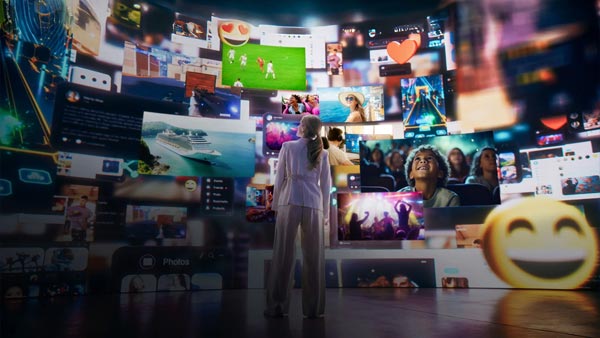

The internet has transformed entertainment, but mobile devices have taken that transformation even further. Smartphones and tablets have changed not only what people do for fun online but also where, when, and how they consume digital entertainment.
In the past, online entertainment was largely associated with desktop computers and fixed locations. Today, people can watch videos, play games, listen to music, follow sports, interact on social media, and explore digital communities from almost anywhere.
Mobile technology has made online entertainment more accessible, personal, and interactive than ever before.
Entertainment Is Always Within Reach
One of the biggest changes brought by mobile devices is convenience.
A smartphone can provide access to thousands of entertainment options from a single device. Users do not need to sit at a desk or wait until they get home to watch a video, listen to music, or play a game.
This constant availability has made entertainment a much more integrated part of everyday life.
People can enjoy digital content during a commute, while taking a break, while traveling, or simply while relaxing at home.
The Rise of Mobile Video
Video consumption has changed dramatically because of smartphones.
Mobile devices allow people to watch movies, television shows, livestreams, tutorials, sports highlights, and short-form videos wherever they have an internet connection.
Short-form video has been particularly influential. Instead of committing to a long program, users can watch a series of brief videos that match their interests.
This has created a faster entertainment cycle in which trends, challenges, memes, and viral content can spread around the world within hours.
Mobile Gaming Became Mainstream
Gaming was once strongly associated with computers and dedicated consoles. Mobile devices changed that perception.
Modern smartphones can run games with impressive graphics, sophisticated gameplay, and online multiplayer features.
Mobile gaming also offers a wide range of experiences. Some games can be played in just a few minutes, while others provide large virtual worlds that users can explore for hours.
The accessibility of mobile gaming has helped introduce interactive entertainment to people who may never have owned a traditional gaming system.
Social Media Became Entertainment
Social media is no longer simply a way to communicate with friends. It has become one of the world’s biggest sources of online entertainment.
People can watch videos, follow creators, discover trends, participate in discussions, share memes, and interact with communities through their phones.
The mobile format makes social media particularly engaging because users can access constantly updated content with just a few taps.
This has also changed the relationship between audiences and creators. Users can instantly react to content, while creators can respond directly to their communities.
Streaming Became More Personal
Streaming services have benefited significantly from mobile technology.
People can watch movies and television shows on smartphones and tablets instead of being limited to traditional televisions.
Mobile streaming also makes entertainment more personal. A person can use headphones and watch their preferred content without affecting anyone else nearby.
This flexibility has helped streaming become a natural part of modern digital entertainment.
Music Is Always Available
Mobile devices have also transformed how people listen to music.
Instead of carrying physical albums or downloading individual songs to a computer, users can access enormous music libraries through streaming applications.
Playlists can be created for almost any activity or mood, from exercising and studying to traveling and relaxing.
Music has therefore become more portable and personalized than ever before.
Live Entertainment Is More Accessible
Mobile devices have made live entertainment easier to access.
People can watch livestreams, follow sporting events, participate in online discussions, and interact with creators in real time.
A major event can reach audiences around the world without requiring everyone to be physically present.
Live streaming also creates opportunities for audiences to participate rather than simply watch. Comments, reactions, polls, and chats can turn a broadcast into a shared digital experience.
Mobile Devices Made Entertainment More Social
One of the most important changes is that mobile entertainment is often connected to social interaction.
A person might watch a video and immediately send it to a friend. Someone watching a sports event can discuss it through a group chat. Gamers can communicate with teammates while playing.
Entertainment and communication have therefore become increasingly connected.
Instead of consuming content alone, people can share experiences instantly with friends and online communities.
Personalization Has Become the Norm
Mobile entertainment platforms use algorithms and user preferences to recommend content.
Streaming services can suggest movies and shows. Music platforms can recommend songs and playlists. Social media feeds can display content based on previous interactions.
This personalization makes it easier to discover entertainment that matches individual interests.
However, it also means that algorithms play an increasingly important role in determining what people see.
Mobile Devices Turned Audiences Into Creators
Another major change is the ease of creating content.
Modern smartphones include high-quality cameras, microphones, editing tools, and applications that allow users to produce and publish content within minutes.
People can create videos, podcasts, photographs, livestreams, and other digital content without expensive equipment.
This has lowered the barrier to becoming an online creator.
A person with a smartphone and an internet connection can potentially reach an audience anywhere in the world.
The Growth of User-Generated Content
User-generated content has become one of the defining features of modern online entertainment.
Fans can create reviews, reactions, comedy videos, tutorials, gaming clips, memes, and other forms of content.
This creates a continuous cycle in which audiences consume entertainment and then create new entertainment themselves.
The distinction between creator and consumer has become increasingly blurred.
Entertainment Became More Interactive
Mobile technology has also made online entertainment more interactive.
Users can vote in polls, participate in live chats, respond to creators, compete in multiplayer games, and influence digital experiences.
This level of participation gives audiences greater control.
Instead of simply watching a piece of content from beginning to end, users can interact with it and with the community surrounding it.
The Challenges of Constant Entertainment
The convenience of mobile entertainment also comes with challenges.
Because entertainment is always available, it can be easy to spend more time online than originally intended.
Constant notifications, endless scrolling, autoplay, and personalized recommendations can encourage people to continue consuming content.
This makes digital well-being increasingly important.
Taking breaks, managing notifications, and setting reasonable screen-time boundaries can help people enjoy mobile entertainment without allowing it to dominate their daily routines.
What the Future Holds
Mobile entertainment will likely continue evolving as smartphones become more powerful and internet connections become faster.
Artificial intelligence, augmented reality, virtual reality, cloud gaming, and immersive social experiences could introduce new ways to interact with digital content.
Future mobile devices may become even more personalized and capable of blending entertainment with everyday activities.
The central idea, however, is unlikely to change: people want entertainment that is convenient, engaging, and easy to access.
Final Thoughts
Mobile devices have fundamentally changed the way we have fun online.
They have made video, gaming, music, social media, livestreaming, and digital communities available almost anywhere. They have also transformed audiences into active participants and content creators.
The biggest change is not simply that entertainment moved from computers to smartphones. Mobile technology has changed our expectations about entertainment itself.
We now expect digital experiences to be available instantly, personalized to our interests, and connected to the people and communities around us.
As mobile technology continues to advance, online entertainment will likely become even more interactive, immersive, and personalized. For millions of people, the smartphone is no longer just a communication device—it has become one of the most important entertainment platforms in everyday life.