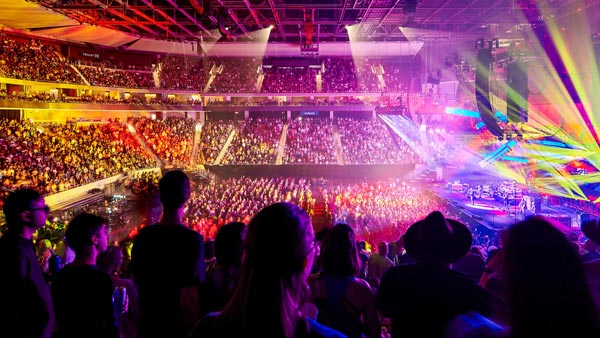

Watching sports used to be a relatively simple experience. Fans would sit in front of a television, listen to the commentary, and focus on the game taking place on the screen.
Today, the experience looks very different.
Many sports fans now use a smartphone, tablet, or laptop while watching a live game. They may check statistics, follow social media reactions, participate in online discussions, watch highlights, or communicate with friends while the match is still happening.
This behavior is known as second-screen viewing, and it has become an important part of modern sports entertainment.
What Is Second-Screen Viewing?
Second-screen viewing refers to using a second digital device while watching a primary piece of content, such as a live sporting event.
The television or streaming service remains the main screen, while a smartphone or tablet provides additional information and interaction.
For example, a basketball fan might watch a game on television while using a phone to check player statistics. A football supporter might follow live social media reactions during the match. A motorsports fan might use a tablet to monitor lap times and race positions.
The second screen adds another layer to the viewing experience.
Why Fans Use a Second Screen
One of the main reasons fans use additional devices is to access information that may not be available through the main broadcast.
Live broadcasts have limited time and screen space. A television commentator may discuss one player while another fan wants statistics about a different athlete.
A smartphone can provide instant access to:
- Live statistics
- Player information
- Team news
- Match commentary
- Injury updates
- League standings
- Historical records
- Social media discussions
- Instant highlights
This allows fans to customize their experience according to their interests.
Social Media Has Changed Sports Viewing
Social media is one of the biggest drivers of second-screen entertainment.
Fans can discuss a match while watching it, share reactions, post memes, debate controversial decisions, and celebrate important moments.
A dramatic goal or unexpected result can generate thousands of social media posts within minutes.
This creates a virtual stadium where fans from different locations can communicate in real time.
The conversation surrounding a game can sometimes become almost as entertaining as the game itself.
Live Statistics Add More Context
Second-screen platforms also provide detailed statistics.
Instead of simply watching the score, fans can explore information such as possession, shots, player performance, passing accuracy, lap times, or other sport-specific metrics.
Advanced statistics can help fans understand why a game is developing in a particular way.
For dedicated supporters, these details make watching sports more analytical and engaging.
Fantasy Sports and Second-Screen Viewing
Fantasy sports have also contributed to the growth of second-screen behavior.
Fantasy players may track individual athlete performances while watching live games. A single goal, assist, touchdown, rebound, or other statistical event can influence their fantasy teams.
This creates an additional reason to pay attention to individual performances rather than focusing only on the final result.
Fantasy sports therefore turn some viewers into active statistical observers.
Live Betting and the Second Screen
In jurisdictions where sports betting is legal, some viewers also use mobile devices to follow betting markets while watching live events.
This has created another form of second-screen engagement.
However, live betting can encourage rapid decision-making and increased spending. Users should understand the laws that apply to them and use appropriate responsible-gambling controls where available.
Sports entertainment does not require betting to be engaging, and many fans use second screens purely for information, social interaction, and entertainment.
Streaming Services Are Embracing Interactivity
Streaming platforms are increasingly designed with interactive features in mind.
Some services provide alternative camera angles, real-time statistics, live chats, polls, personalized information, and other features that complement the main broadcast.
This suggests that sports viewing is moving toward a more flexible model in which viewers can choose how much additional information they want.
The traditional broadcast remains important, but digital tools allow fans to create a more personalized experience.
Smartphones Make Second-Screen Viewing Easy
The widespread availability of smartphones has made second-screen behavior particularly convenient.
A phone is small, portable, and constantly connected to the internet. Fans do not need a separate computer to access additional sports information.
This means that second-screen behavior can happen almost anywhere.
Whether watching from home, at a sports bar, or in a stadium, fans can use their phones to access information and communicate with other supporters.
Stadiums Are Becoming Digital Experiences
Second-screen entertainment is not limited to people watching sports at home.
Fans inside stadiums also use smartphones to enhance their experience.
They may check player statistics, watch instant replays, order food, access digital tickets, participate in polls, or share photos and videos.
Some venues are developing connected experiences that combine the physical atmosphere of the stadium with digital information.
The result is a hybrid experience that combines live attendance with online interaction.
The Role of Sports Communities
Second-screen viewing has strengthened online sports communities.
Fans who live in different countries can follow the same game and communicate in real time. Supporters can exchange opinions, analyze decisions, and celebrate moments together.
This is particularly important for international sports teams with supporters spread across multiple time zones.
Social platforms make it possible for fans to participate in a global community even when they cannot physically attend a game.
More Data, More Engagement
The availability of real-time data has changed the way people understand sports.
Modern broadcasts can display statistics immediately, while second-screen platforms can provide even more detailed information.
For fans who enjoy analysis, this creates an opportunity to examine the game at a deeper level.
Data can reveal trends that may not be obvious from watching the action alone.
However, too much information can also become distracting. The challenge for sports platforms is finding the right balance between useful information and visual overload.
The Challenge of Divided Attention
Second-screen viewing also has a potential disadvantage: divided attention.
When fans constantly check their phones, they may miss important moments in the live game.
A quick look at social media can easily turn into several minutes of scrolling.
This creates an interesting contradiction. Second-screen technology is designed to make sports more engaging, but excessive use can sometimes take attention away from the sport itself.
The best second-screen experiences therefore complement the main event rather than compete with it.
The Future of Second-Screen Sports Entertainment
The second screen is likely to become even more sophisticated as technology develops.
Artificial intelligence could provide personalized statistics and real-time analysis. Augmented reality could overlay information onto the physical environment. Wearable devices could provide additional data during live events.
Future sports broadcasts may allow fans to customize exactly what information they see while watching.
Instead of receiving the same experience as every other viewer, each fan could create a personalized digital version of the game.
Final Thoughts
The rise of second-screen sports entertainment reflects a larger transformation in how audiences consume live content.
Fans are no longer simply watching a game. They are analyzing statistics, communicating with other supporters, following social media, exploring highlights, and participating in digital communities at the same time.
Smartphones and streaming platforms have turned sports viewing into a more interactive experience.
The challenge will be maintaining a healthy balance. The best second-screen technology should add context, connection, and excitement without distracting fans from the live action.
As digital technology continues to develop, sports entertainment will likely become even more interactive, personalized, and connected. The future of watching sports may not be about choosing between the big screen and the small screen—it may be about how effectively the two work together.
Which direction should the next article take: sports technology, fan engagement, or live streaming?