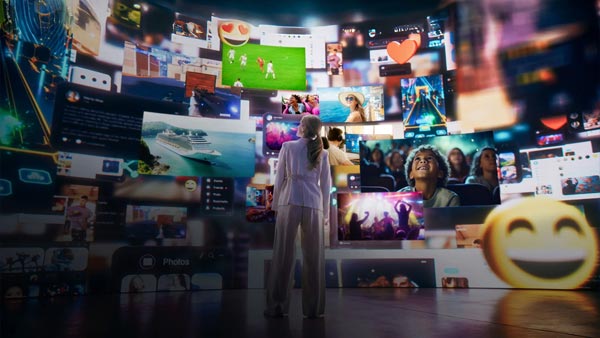

The way people consume entertainment has changed dramatically. For decades, audiences followed television schedules, visited movie theaters, bought physical music, and waited for their favorite programs to become available.
Today, entertainment is increasingly available whenever and wherever people want it.
Streaming platforms, mobile devices, digital gaming, podcasts, social media, and online video have created a new era of on-demand entertainment. Instead of adapting their schedules to entertainment, people can now choose entertainment that fits their schedules.
This transformation has changed not only what people watch and listen to but also what they expect from digital experiences.
What Is On-Demand Entertainment?
On-demand entertainment refers to content that users can access whenever they choose rather than following a fixed broadcast schedule.
Movies, television shows, music, podcasts, games, and digital videos can all be delivered through on-demand platforms.
The basic idea is simple: users choose the content they want, decide when to consume it, and often choose the device they want to use.
This level of control has become one of the defining characteristics of modern digital entertainment.
The Decline of Traditional Schedules
Traditional television depended heavily on scheduled programming.
If viewers wanted to watch a particular program, they had to be available at a specific time. Missing an episode could mean waiting for a repeat broadcast or finding another way to access it.
On-demand services changed this model.
Viewers can now watch an episode whenever they have time. Entire seasons can be available at once, allowing audiences to watch several episodes in a single session.
This shift has given consumers much greater control over their entertainment habits.
Streaming Changed Everything
Streaming services have played a major role in the growth of on-demand entertainment.
Instead of purchasing individual movies or television programs, users can access large digital libraries through subscription services or other online models.
Streaming has also changed how content is produced. Original shows and movies are increasingly designed specifically for digital audiences.
The competition between streaming platforms has encouraged companies to invest heavily in exclusive content, improved interfaces, and personalized recommendations.
Mobile Devices Made Entertainment Portable
The smartphone has become one of the most important devices in the on-demand entertainment era.
People can watch videos, listen to music, play games, read digital content, and follow live broadcasts from almost anywhere.
Entertainment is no longer restricted to living rooms or desktop computers.
A person can watch a short video during a break, listen to a podcast while traveling, or play a game while waiting for an appointment.
This portability has made entertainment more closely integrated with everyday life.
Personalization Is Becoming the Standard
Another defining feature of on-demand entertainment is personalization.
Digital platforms can use information about viewing and listening habits to recommend content that users may enjoy.
A streaming service might suggest a new series based on previous viewing behavior. A music platform can generate playlists based on listening preferences. Video platforms can continuously recommend new content.
Personalization makes enormous digital libraries easier to navigate.
However, it also means algorithms have an increasingly important influence over what audiences discover.
The Rise of Short-Form Content
On-demand entertainment is not limited to long movies and television shows.
Short-form videos have become a major part of the digital entertainment landscape.
Users can consume hundreds of short videos in a single session, with each piece of content selected or recommended based on their interests.
This has created a much faster entertainment cycle. Trends can emerge and spread globally within a matter of hours.
Short-form content has also encouraged creators to produce entertainment more frequently and respond quickly to audience reactions.
Gaming Is Part of the On-Demand Revolution
Gaming has also evolved alongside on-demand entertainment.
Modern players can access games digitally without necessarily purchasing physical copies. Cloud-based services and digital storefronts have made game libraries increasingly accessible.
Many games also receive regular updates, seasonal events, and new content.
This creates an ongoing entertainment experience rather than a product that ends when the original game is completed.
Podcasts and Audio Entertainment
On-demand entertainment has transformed audio as well.
Podcasts allow listeners to choose from an enormous variety of topics and listen whenever they want.
Music streaming has similarly reduced the importance of physical media. Users can access vast music libraries, create personalized playlists, and discover new artists through recommendation systems.
Audio entertainment has become highly portable and flexible.
Audiences Have More Control
Perhaps the biggest advantage of on-demand entertainment is control.
Users can decide:
- What they want to watch or listen to
- When they want to consume it
- Which device they want to use
- Whether they want to pause or resume
- Which content they want to skip
- Which creators or genres they want to follow
This level of choice has changed consumer expectations.
People increasingly expect entertainment services to adapt to them rather than requiring them to follow traditional schedules.
The Social Side of On-Demand Entertainment
Although on-demand entertainment can be highly personal, it has also created new forms of social interaction.
People can discuss shows on social media, share clips, recommend movies to friends, participate in fan communities, and watch content together through digital platforms.
A popular series or viral video can quickly become a global conversation.
This means on-demand entertainment can combine individual choice with collective experiences.
The Challenge of Too Much Choice
Having unlimited entertainment options can also create a problem: choice overload.
When users have thousands of movies, shows, videos, games, songs, and podcasts available, deciding what to consume can become difficult.
Recommendation algorithms attempt to solve this problem by suggesting content based on individual preferences.
However, users can still spend considerable time browsing without actually choosing anything.
The challenge for entertainment platforms is therefore not simply providing more content but helping audiences find content they genuinely value.
The Growing Competition for Attention
As entertainment becomes easier to access, competition for audience attention has intensified.
Streaming services compete with social media, gaming, podcasts, short-form videos, live sports, and countless other digital activities.
Every platform wants users to spend more time within its ecosystem.
This has created an increasingly competitive digital entertainment market where convenience alone is no longer enough. Platforms need compelling content, reliable technology, personalized experiences, and strong communities to retain audiences.
What the Future May Look Like
The next stage of on-demand entertainment could become even more personalized and interactive.
Artificial intelligence may help create customized recommendations and assist in producing content specifically for individual audiences.
Virtual and augmented reality could make entertainment more immersive, while cloud technology may allow users to access sophisticated experiences from a wider range of devices.
Interactive storytelling could also give audiences more control over how digital stories develop.
The boundaries between watching, playing, listening, and participating may continue to disappear.
Final Thoughts
The new era of on-demand entertainment has fundamentally changed the relationship between audiences and digital content.
People no longer have to organize their lives around entertainment schedules. Instead, entertainment can fit around their lives.
Streaming services, smartphones, gaming platforms, podcasts, social media, and personalized recommendations have created an environment where content is available almost instantly.
However, this freedom also comes with challenges. More choice can lead to information overload, while constant accessibility can make it difficult to disconnect.
Ultimately, the future of entertainment will be shaped by how effectively technology balances choice, convenience, personalization, and meaningful experiences.
The era of on-demand entertainment is not simply about having more content. It is about giving audiences more control over how, when, and where they experience it.