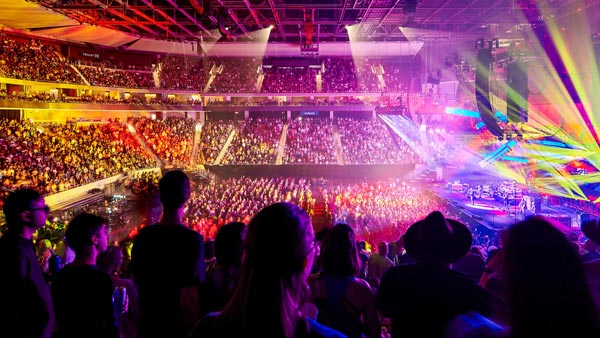

Sports have always been about excitement, competition, and community. For decades, fans gathered in stadiums, watched games on television, listened to radio broadcasts, and read newspapers to follow their favorite teams and athletes.
Today, social media has completely changed that experience.
Platforms such as Instagram, X, Facebook, TikTok, and YouTube allow fans to follow sporting events in real time, communicate with other supporters, interact with athletes, and access content that was once available only through traditional media.
Social media has transformed fans from passive spectators into active participants in the world of sports.
Real-Time Sports Coverage
One of the biggest changes social media has introduced is the ability to follow sporting events in real time.
Fans no longer have to wait until the evening news or the next day’s newspaper to find out what happened during a game. Scores, highlights, injury updates, lineups, statistics, and breaking news can appear on social media within seconds.
This is particularly useful for fans who cannot watch an entire match. A quick look at social media can provide important updates and major moments as they happen.
Fans Can Interact With Athletes
In the past, professional athletes often seemed distant from their supporters. Fans could watch them compete, but direct communication was rare.
Social media has changed that relationship.
Athletes can now post photographs, videos, opinions, training updates, and personal moments directly to their followers. Fans can respond, comment, and sometimes receive replies from their favorite players.
This creates a stronger sense of connection between athletes and their audiences.
Fans may see what an athlete’s life looks like away from competition, making sports personalities feel more accessible and relatable.
Highlights Are Easier to Find
Social media has also changed the way fans consume sports highlights.
A spectacular goal, incredible dunk, dramatic finish, or unforgettable celebration can be shared almost immediately after it happens. Short video clips can spread across platforms within minutes and reach millions of people.
This means fans do not necessarily need to watch an entire game to experience its biggest moments.
Short-form video has made sports highlights particularly easy to consume on mobile devices. A few seconds of footage can capture the excitement of an important moment and encourage fans to discuss and share it.
Global Sports Communities
Social media has made sports fandom more global.
A fan in one country can easily communicate with supporters from another part of the world. People who support the same team or athlete can form online communities regardless of geographical distance.
This is especially significant for international sports teams and leagues. A club can build a global fan base through social media content, allowing supporters thousands of miles away to feel connected to the team’s culture.
Online communities can also introduce fans to different perspectives, traditions, and sporting cultures.
Fans Have Become Content Creators
Another major change is that fans are no longer simply consuming sports content.
They are creating it.
Fans can produce reaction videos, memes, podcasts, analysis, match reviews, statistics, artwork, and other forms of sports-related content. Some fan-created content can become extremely popular and reach audiences comparable to those of traditional media outlets.
This has created a much more participatory sports culture.
A major sporting event can generate thousands of pieces of fan content within hours, creating a constantly evolving conversation around the competition.
Sports News Spreads Faster
Social media has dramatically accelerated the sports news cycle.
Transfer rumors, injury reports, player announcements, coaching changes, and team news can spread almost instantly. Journalists, clubs, athletes, and fans can all contribute to the conversation.
However, this speed also creates challenges.
Not every piece of information shared online is accurate. Rumors and misleading claims can spread quickly, particularly when fans are emotionally invested in a particular team or player.
As a result, fans increasingly need to distinguish between verified information, speculation, and unreliable sources.
Behind-the-Scenes Access
Social media gives fans access to aspects of sports that traditional broadcasts often cannot show.
Teams and athletes can share locker-room moments, training sessions, travel experiences, celebrations, interviews, and preparation before competitions.
This behind-the-scenes content can make fans feel as though they are closer to the action.
It also helps teams build stronger identities by showing personalities and moments that may not appear during official games.
Social Media Has Changed Fan Reactions
Sports fans have always been emotional, but social media has amplified those reactions.
A dramatic victory can lead to thousands of celebratory posts within minutes. A controversial decision can generate an enormous debate. A disappointing performance can trigger criticism from supporters.
These conversations can continue long after the final whistle.
Social media has therefore extended the sports experience beyond the actual game. The discussion before and after an event can become almost as important as the competition itself.
Athletes Can Build Their Own Brands
Social media has also changed opportunities for athletes.
Previously, athletes depended heavily on traditional media organizations and sponsors to build their public profiles. Today, they can communicate directly with their audiences and develop personal brands through their own social media accounts.
An athlete’s online presence can showcase their personality, interests, achievements, and values.
This can create opportunities for sponsorships, partnerships, merchandise, and other projects outside their sporting careers.
Advertising and Sponsorship Have Evolved
Sports sponsorship has changed alongside social media.
Brands can work with teams and athletes to create digital campaigns that reach highly specific audiences. Instead of relying solely on television advertisements or stadium banners, sponsors can use short videos, social posts, influencer campaigns, and interactive content.
Social media also provides measurable engagement data, allowing brands to evaluate how audiences respond to campaigns.
This has made digital platforms an increasingly important part of sports marketing.
The Rise of Live Social Interaction
Live sports are now accompanied by continuous online conversations.
Fans can comment on a game while watching it, share reactions, create memes, and discuss controversial moments with thousands of other people.
Hashtags and trending topics can turn individual matches into large online conversations.
This creates a second-screen experience in which fans watch the game on television or through a streaming service while simultaneously following social media discussions on their phones.
The Challenges of Social Media Sports Culture
Although social media has created many positive opportunities, it also has disadvantages.
Online sports discussions can sometimes become aggressive or toxic. Players and officials may face harassment after poor performances or controversial decisions.
The rapid spread of misinformation is another concern. False rumors can damage reputations and create unnecessary controversy.
There is also the possibility that constant online discussion can distract fans from simply enjoying the sport.
For these reasons, healthy online communities and responsible social media use are increasingly important.
The Future of Sports Fandom
Social media will likely continue to influence how fans experience sports.
New technologies could make fan experiences even more interactive through augmented reality, personalized content, virtual communities, and real-time statistics.
Sports organizations will also continue looking for new ways to connect directly with supporters around the world.
The central idea, however, is unlikely to change: fans want to feel connected to the teams, athletes, and communities they care about.
Social media has simply made that connection faster, more interactive, and more global.
Final Thoughts
Social media has transformed sports fandom from a largely one-way experience into an interactive digital community.
Fans can now follow games in real time, communicate with athletes, watch instant highlights, create their own content, participate in global discussions, and experience behind-the-scenes moments.
The result is a sports culture that exists not only inside stadiums and on television screens but also across social media feeds and online communities.
As technology continues to evolve, the relationship between sports and social media will likely become even closer. For fans, the game no longer ends when the final whistle blows—the conversation continues online.