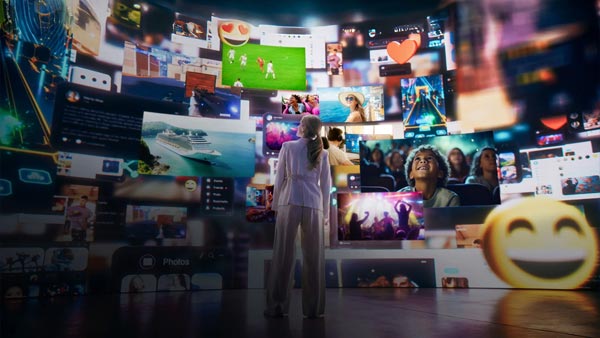

Leisure has always been an important part of everyday life. People watch movies, listen to music, play games, follow sports, read, socialize, and explore hobbies to relax and enjoy their free time.
However, the way people spend their leisure time has changed significantly with the rise of digital technology.
Smartphones, streaming platforms, social media, online gaming, podcasts, and digital communities have created new ways to enjoy free time. Entertainment is now more accessible, personalized, and interactive than ever before.
These changing habits are redefining what modern leisure looks like.
Entertainment Is Always Available
One of the biggest changes brought by digital technology is constant accessibility.
In the past, entertainment often depended on location, schedules, or physical media. Today, people can access movies, music, games, videos, and other content almost instantly through connected devices.
A smartphone can provide entertainment during a commute, a short break, or a quiet evening at home.
This convenience has made digital entertainment a natural part of everyday routines.
Streaming Changed How People Relax
Streaming services have transformed the way audiences consume movies and television.
Instead of waiting for a program to appear on a traditional schedule, viewers can select content whenever they want.
On-demand entertainment also allows people to pause, resume, skip, or switch between different types of content.
This flexibility has changed expectations. Modern audiences increasingly want entertainment that fits around their schedules rather than requiring them to organize their schedules around it.
Smartphones Became Entertainment Hubs
The smartphone is one of the most influential devices in modern leisure.
A single device can provide access to:
- Streaming video
- Music
- Podcasts
- Social media
- Mobile games
- Sports updates
- Digital books
- Online communities
Because smartphones are portable, entertainment can be integrated into almost any part of the day.
This has made leisure more flexible but also more fragmented.
Short-Form Content Is Changing Attention
Short-form videos have become a major part of digital leisure.
Instead of spending an hour watching a single program, users can consume dozens of short videos in a relatively short period.
These videos can cover almost any topic, from comedy and sports to cooking, travel, education, and gaming.
The popularity of short-form content reflects a broader shift toward quick and easily accessible entertainment.
It has also created a faster cycle of trends, where new ideas can spread rapidly across online communities.
Gaming Is Becoming a Social Activity
Gaming is no longer simply an individual pastime.
Online multiplayer games allow people to communicate, cooperate, and compete with friends and other players around the world.
Voice chat, messaging, livestreaming, and online communities have turned gaming into a highly social form of leisure.
For many players, the social experience surrounding a game can be just as important as the gameplay itself.
Social Media Became Part of Leisure
Social media has blurred the boundary between communication and entertainment.
People may open a social platform to communicate with friends but end up watching videos, following sports discussions, discovering music, or exploring new creators.
Digital feeds continuously provide new content based on user interests and interactions.
This creates a form of leisure that is highly dynamic and personalized.
Personalized Recommendations Influence What We Enjoy
Modern entertainment platforms increasingly use algorithms to recommend content.
A streaming service can suggest a movie based on viewing history. A music platform can create a playlist based on listening habits. Social media can recommend videos based on previous interactions.
Personalization makes it easier to discover relevant entertainment.
At the same time, recommendation systems can influence what people see and how they spend their free time.
The algorithm can become an important part of the modern leisure experience.
The Rise of Digital Communities
Online communities have created new ways for people with shared interests to connect.
Fans can participate in communities dedicated to sports, movies, music, games, technology, hobbies, and countless other topics.
These communities allow people to share opinions, recommendations, experiences, and creative work.
Leisure is therefore becoming increasingly social, even when people are physically separated.
Podcasts Fit Into Busy Lifestyles
Podcasts have become another important part of modern leisure.
Unlike video, audio content can be consumed while performing other activities.
People can listen to podcasts while exercising, traveling, cooking, walking, or relaxing.
The wide range of available topics means listeners can find programs focused on entertainment, news, storytelling, technology, sports, education, and personal interests.
Podcasts have made it easier to turn everyday activities into opportunities for digital leisure.
The Second-Screen Habit
Many people now use multiple devices while consuming entertainment.
Someone might watch a sports game on television while checking statistics on a smartphone. Another person might watch a movie while discussing it with friends through a messaging application.
This behavior is often described as second-screen viewing.
It demonstrates how modern leisure can involve several digital experiences at the same time.
Live Digital Entertainment Is Growing
Live streaming has added another dimension to digital leisure.
People can watch live gaming sessions, sporting events, concerts, interviews, and other broadcasts while interacting with creators and communities in real time.
Unlike traditional recorded content, live entertainment creates a sense of immediacy.
Viewers can comment, react, and participate while an event is happening.
Digital Leisure Is Becoming More Interactive
Traditional entertainment was often based on passive consumption.
Digital technology has changed that model.
Users can comment on content, vote in polls, participate in games, create videos, join discussions, and influence online communities.
This makes modern leisure more participatory.
Audiences are increasingly becoming both consumers and creators.
User-Generated Content Has Changed Entertainment
People no longer need professional studios or expensive equipment to create entertainment.
Smartphones provide cameras, microphones, editing tools, and publishing platforms.
As a result, ordinary users can create videos, podcasts, photographs, music, reviews, and other forms of digital content.
This has created a huge ecosystem of user-generated entertainment.
It has also changed the relationship between audiences and creators.
The Growing Role of Mobile Gaming
Mobile gaming has made interactive entertainment more accessible.
Users can play games during short breaks or spend longer sessions exploring more complex titles.
Mobile games cover a wide range of genres, from simple puzzle games to sophisticated multiplayer experiences.
Because smartphones are widely available, gaming has become a more common part of everyday leisure.
The Challenge of Digital Overload
The convenience of digital entertainment also creates challenges.
People have access to almost unlimited content, which can make it difficult to disconnect.
Constant notifications, endless scrolling, autoplay features, and personalized recommendations can encourage users to spend more time online.
This makes digital balance increasingly important.
Taking breaks, managing notifications, and intentionally choosing leisure activities can help people maintain a healthier relationship with technology.
Leisure Is Becoming More Personalized
Perhaps the most important change is personalization.
Modern entertainment platforms can adapt to individual preferences, making leisure experiences increasingly different from one person to another.
Two people can use the same smartphone but experience completely different entertainment ecosystems.
One person may spend free time watching sports, another may prefer gaming, while someone else may listen to podcasts or explore online communities.
Digital technology has made leisure more individualized than ever before.
The Future of Modern Leisure
The evolution of digital technology is likely to continue reshaping leisure.
Artificial intelligence could create more personalized recommendations and interactive experiences. Virtual and augmented reality may make entertainment more immersive.
Cloud gaming, advanced streaming, and new social platforms could also change how people interact with digital content.
The distinction between entertainment, communication, and social interaction may become increasingly difficult to define.
Final Thoughts
Digital habits are redefining modern leisure by making entertainment more accessible, personalized, portable, and interactive.
Streaming has changed how people watch content. Smartphones have made entertainment available almost anywhere. Social media has turned communication into entertainment, while gaming and digital communities have created new forms of social interaction.
At the same time, the abundance of digital entertainment creates new challenges around attention and screen time.
Ultimately, modern leisure is no longer defined by a small number of traditional activities. It is an evolving combination of streaming, gaming, social interaction, content creation, and personalized digital experiences.
As technology continues to advance, the future of leisure will likely become even more flexible and immersive, giving people more ways to decide how they spend their free time.