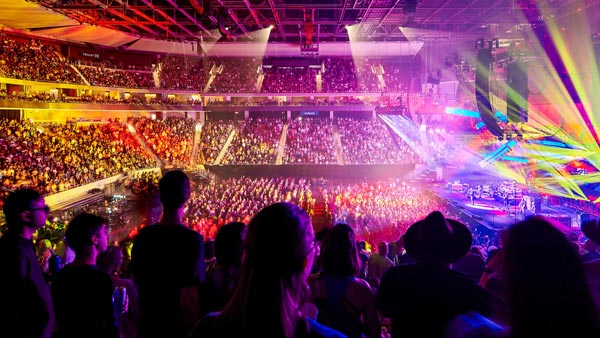

Sports have always been a major source of entertainment, bringing people together through competition, emotion, and shared experiences. However, the way fans experience sports has changed dramatically with the growth of digital technology.
Today, watching a game is no longer limited to sitting in front of a television or attending a stadium. Fans can stream matches, follow live statistics, interact on social media, play sports video games, watch highlights, and communicate with other supporters through digital platforms.
This growing connection between sports and digital entertainment is creating a more interactive and personalized experience for audiences around the world.
Sports Are Becoming More Digital
The internet has transformed the way sports organizations communicate with their audiences.
Teams, leagues, athletes, and broadcasters can now connect directly with fans through websites, mobile applications, social media, and streaming platforms.
A fan can follow a favorite team throughout the entire day, receiving news, interviews, statistics, videos, and updates without waiting for the next match.
Digital technology has therefore expanded sports beyond the actual game.
The Rise of Sports Streaming
Streaming is one of the most important developments connecting sports with digital entertainment.
Traditional television remains important, but streaming allows fans to watch sporting events through smartphones, tablets, computers, smart TVs, and other connected devices.
Streaming can also provide additional features such as:
- Live statistics
- Instant replays
- Multiple camera angles
- Alternative commentary
- Match highlights
- Personalized notifications
These features allow viewers to experience sports in ways that traditional broadcasts may not always provide.
Social Media Changed Fan Engagement
Social media has created a new relationship between athletes, teams, and fans.
Players can communicate directly with supporters through posts, videos, livestreams, and interviews. Teams can provide behind-the-scenes content and instant updates during games.
Fans can also participate by commenting, sharing content, creating memes, and discussing important moments.
As a result, sports have become part of a continuous digital conversation that extends far beyond the stadium.
The Rise of Second-Screen Viewing
Many fans now use a second device while watching sports.
A television or streaming service may display the main game while a smartphone provides additional information.
Fans can check live statistics, follow social media reactions, read commentary, or communicate with friends while watching.
This behavior has become known as second-screen viewing.
Rather than competing with the main broadcast, the second screen can add another layer of information and interaction.
Real-Time Data Makes Sports More Interactive
Technology has also changed the way fans understand games.
Real-time data can provide instant information about scores, player performances, possession, shots, rankings, and other statistics.
Fans no longer have to wait until after a game to analyze what happened.
Advanced statistics can help viewers understand tactical decisions and individual performances in greater detail.
This has created a more informed and analytical sports audience.
Sports and Gaming Are Coming Together
Video games have created another strong connection between sports and digital entertainment.
Sports simulation games allow players to control teams and athletes in virtual environments.
These games can give fans another way to engage with the sports they love.
Competitive gaming has also developed its own communities, tournaments, and audiences.
The boundary between watching sports and playing sports-related digital entertainment is therefore becoming less defined.
Fantasy Sports Add Another Layer
Fantasy sports have also contributed to the digital transformation of sports entertainment.
Participants create virtual teams using real athletes and track their performances throughout actual competitions.
This encourages fans to pay attention to individual players and statistics, sometimes across multiple games at the same time.
Fantasy sports can therefore turn passive viewers into active participants who closely follow the performance of athletes.
Athletes Are Becoming Digital Creators
Professional athletes are increasingly becoming content creators in their own right.
Through social media and digital platforms, athletes can share training sessions, personal stories, interviews, behind-the-scenes footage, and other content.
This gives fans access to aspects of an athlete’s life that traditional sports broadcasts rarely showed.
It also allows athletes to develop personal brands and communicate directly with their audiences.
Digital Communities Connect Global Fans
Sports have always created communities, but digital technology has made these communities global.
A supporter can discuss a match with fans from different countries while the game is happening.
Online forums, social media groups, messaging platforms, and fan communities allow supporters to share opinions, celebrate victories, and debate controversial moments.
This is particularly valuable for international fans who may live far away from their favorite teams.
Short-Form Video Is Changing Sports Discovery
Short-form video has become another important part of sports entertainment.
Highlights, interviews, reactions, and memorable moments can be shared through short videos that reach audiences quickly.
Someone who does not regularly watch an entire match may still discover a sport or athlete through a short highlight.
This makes digital video an important tool for introducing sports to younger and more casual audiences.
Interactive Broadcasts Are Emerging
Sports broadcasting is becoming increasingly interactive.
Some digital platforms can provide polls, live chats, personalized statistics, alternative viewing options, and other interactive features.
These technologies allow fans to have more control over the way they experience a game.
Instead of receiving exactly the same broadcast as every other viewer, audiences can increasingly customize their experience.
The Importance of Mobile Technology
Smartphones have played a central role in connecting sports with digital entertainment.
A mobile device can function as a television, sports news service, statistics platform, social network, and gaming device all at once.
This makes sports entertainment highly portable.
Fans can follow games while traveling, check scores during breaks, or watch highlights whenever they have time.
Mobile technology has therefore helped make sports a continuous digital experience.
Artificial Intelligence Could Change Sports Entertainment Again
Artificial intelligence may become an increasingly important part of the sports entertainment ecosystem.
AI can help analyze large amounts of sporting data, generate personalized recommendations, provide automated commentary, and assist with content creation.
In the future, fans could receive customized game analysis based on their favorite teams, players, or styles of play.
AI could also help broadcasters create more engaging and personalized viewing experiences.
Virtual and Augmented Reality
Virtual reality and augmented reality could further strengthen the relationship between sports and digital entertainment.
Virtual reality could allow fans to experience simulated stadium environments, while augmented reality could display live statistics over the physical world.
These technologies could make sports viewing more immersive.
Although widespread adoption still depends on factors such as hardware availability and cost, the potential is significant.
New Opportunities for Sports Organizations
The growth of digital entertainment creates opportunities for teams, leagues, broadcasters, and athletes.
Organizations can reach fans directly, distribute exclusive content, develop digital communities, and create new forms of engagement.
Digital platforms can also provide valuable information about audience interests and behavior.
This can help sports organizations understand their audiences and develop content that better matches fan expectations.
Challenges of Digital Sports Entertainment
The connection between sports and digital entertainment also creates challenges.
Fans can experience information overload when they are exposed to constant notifications, statistics, videos, and social media discussions.
Sports organizations must also consider privacy, cybersecurity, content rights, and responsible use of audience data.
Another challenge is maintaining the authenticity of sports while adapting to increasingly digital environments.
Technology should enhance the fan experience without taking attention away from the competition itself.
The Future of Sports Entertainment
The relationship between sports and digital entertainment will likely become even stronger.
Streaming, mobile technology, artificial intelligence, virtual reality, gaming, social media, and real-time data are all contributing to a more connected sports ecosystem.
Future fans may not think of watching a game, playing a sports video game, following social media, and analyzing statistics as separate activities.
Instead, these experiences could become part of one continuous digital sports environment.
Final Thoughts
The growing connection between sports and digital entertainment is changing the way fans experience competition.
Sports are no longer limited to live matches and traditional television broadcasts. Fans can interact with athletes, analyze real-time data, participate in online communities, play games, watch short-form videos, and stream events from almost anywhere.
Technology has transformed sports from something people simply watch into something they can follow, discuss, analyze, and participate in throughout the day.
As digital technology continues to evolve, the future of sports entertainment will likely become even more interactive, personalized, and immersive. The competition on the field may remain the heart of sports, but the digital experience surrounding it is becoming an increasingly important part of the game.