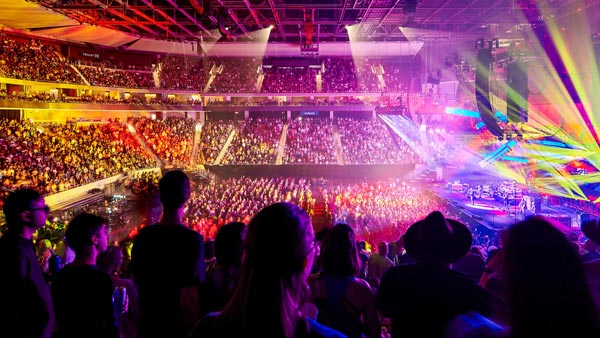

Major mega-events—from the FIFA World Cup and the Olympic Games to the Super Bowl—no longer exist solely within the boundaries of physical stadiums or television broadcasts.Today, live sporting events serve as global multi-platform catalysts, triggering hundreds of millions of simultaneous interactions, viral trends, and digital debates across social feeds in real time.
Mechanisms Driving Global Digital Conversations
- Second-Screen Culture:Over 70% of sports fans regularly scroll through social platforms while watching live broadcasts.Viewers actively post live reactions, check real-time stats, share memes, and interact with global communities while the action unfolds on screen.
- The Velocity of Short-Form Video:Instant highlight clips, goal edits, touchline reactions, and behind-the-scenes athlete moments flood platforms like TikTok, X, and Instagram within seconds of happening live.
- Athlete-As-Creator Dynamics:Modern athletes double as high-reach content creators.Direct updates from locker rooms, post-match vlogs, and personal takes humanize elite competition, bypassing traditional press channels to talk straight to fans.
- Borderless Digital Fandom: Micro-communities form around shared passions rather than geographic boundaries. Global hashtags allow a supporter in Tokyo, a fan in São Paulo, and a spectator in London to celebrate a key moment together in real time.
Evolution of Sports Media Consumption
| Element | Traditional Sports Broadcast | Modern Social-First Sports Ecosystem |
| Communication Flow | One-way transmission from studio pundits | Two-way interactive conversation driven by global fans |
| Content Lifecycle | Confined to the 90-minute live window | Continuous 24/7 cycle of previews, memes, and analysis |
| Primary Format | Fixed long-form camera angles | Dynamic user-generated clips and vertical micro-video |
| Audience Role | Passive TV viewers | Active participants shaping the cultural narrative |
By blending real-time athletic drama with instant peer-to-peer engagement, major sporting events have transformed from periodic TV broadcasts into continuous global social phenomena.